Owning a swimming pool in Las Vegas, Nevada is one of the best ways to beat the relentless desert heat. With summer temperatures regularly climbing well past 100°F, your pool serves as an essential backyard oasis for family recreation and weekend relaxation. However, operating a pool in the Mojave Desert presents unique physical and environmental challenges. Extreme thermal fluctuations, intense solar UV exposure, high airborne dust concentrations during summer monsoons, and exceptionally hard municipal water full of dissolved minerals put continuous strain on your pool mechanics. When a pump starts screeching, a filter tank cracks, or a heater stops firing, Las Vegas homeowners face an inevitable decision: Should you repair the existing component or replace it with a modern upgrade? While repairing may seem like the most budget-friendly immediate option, continuing to patch up aging pool equipment in Southern Nevada can quickly become a costly money pit. This comprehensive guide breaks down the critical factors to evaluate so you can make the smartest financial and operational investment for your swimming pool. 1. The "50% Rule" and Equipment Lifespans in Las Vegas A reliable benchmark used by pool professionals across Nevada is the 50% Rule : If the estimated cost of repairing an existing piece of equipment meets or exceeds 50% of the total cost of purchasing and installing a brand-new unit, replacement is almost always the smarter long-term financial choice. Furthermore, if your equipment is approaching the end of its expected operational lifecycle, investing significant capital into repairs yields diminishing returns. In Southern Nevada, environmental factors significantly impact equipment lifespan: ● Pool Pumps (Single-Speed): Average Lifespan 4–7 Years. Primary Stressors: Continuous summer operation in 110°F+ ambient heat leading to motor thermal overload and shaft seal breakdown. ● Variable-Speed Pumps: Average Lifespan 8–12 Years. Primary Stressors: Enclosed drive electronics, though cooler brushless motors resist desert heat much better than legacy single-speed models. ● Pool Filters (Cartridge/DE/Sand): Average Lifespan 6–10 Years. Primary Stressors: High UV degradation on plastic shells/grids and heavy calcium scaling on internal filter media. ● Gas Pool Heaters: Average Lifespan 5–8 Years. Primary Stressors: Hard water scale accumulation inside copper heat exchangers and burner rust from winter weather exposure. ● Salt Water Chlorinator Cells: Average Lifespan 3–5 Years. Primary Stressors: Rapid calcium scale buildup requiring frequent acid washing, which degrades titanium cell plates. 2. Pool Pumps: Repairing vs. Upgrading to Variable-Speed Technology The circulation pump is the heart of your pool system. In Las Vegas, single-speed pumps historically ran 8 to 12 hours a day during summer months to keep water sanitized and clear. However, old single-speed pumps are massive energy hogs, often accounting for up to 20% to 30% of a home's monthly electricity bill during peak Nevada summer energy rates. When to Repair: If your pump is relatively new (under 3 years old) and suffers a minor issue—such as a worn shaft seal, broken impeller, or blown capacitor—a simple repair costing $150 to $300 is completely logical and cost-effective. When to Replace & Upgrade: If the motor shaft is rusted, the internal windings have burned out, or the pump screams loudly due to failing bearings, replacement is the right choice. Under federal efficiency standards established by the U.S. Department of Energy ( Energy.gov ), legacy single-speed pool pumps have largely been phased out in favor of high-efficiency Variable Speed Pumps (VSPs). Upgrading to a variable-speed pool pump in Las Vegas offers immediate financial returns: ● Massive Energy Savings: VSPs use permanent magnet motors and operate at lower speeds for longer periods, cutting electrical consumption by up to 70% to 80%. ● NV Energy Rebates: NV Energy frequently offers utility rebates for homeowners transitioning to Energy Star certified variable-speed pool pumps. ● Quieter Operation & Better Filtration: Running at lower speeds drastically lowers motor noise while allowing your filter to capture fine desert dust far more efficiently. 3. Pool Filters: Cartridge, DE, and Sand Systems Las Vegas experiences intense windstorms, summer monsoons, and high dust volumes. Your pool filter works overtime to keep dust, organic debris, and microscopic minerals out of the water. Signs Your Filter Needs Repair: For Diatomaceous Earth (DE) or cartridge filters, replacing torn manifold grids, damaged o-rings, or worn filter cartridges during routine seasonal maintenance is standard, economical, and restores peak filtration performance. Signs Your Filter Needs Complete Replacement: ● Cracked or Bulging Tank Body: High summer ambient heat paired with hydraulic pressure weakens plastic structural shells over time. A cracked tank body poses severe safety hazards under pressure and cannot be safely patched. ● Stripped Threads & Calcium Damage: When manifold assemblies, standpipes, and tank locking rings are destroyed by severe mineral scaling or mechanical wear, replacing the full unit is often cheaper than piecemeal repairs. ● Excessive Backwashing Requirements: Sand filters that continuously channel or release sand into the pool often require full media replacement or modern cartridge conversions to conserve water in Nevada's drought-conscious region. 4. Pool Heaters: Extending Your Swimming Season in Southern Nevada Even in Southern Nevada, desert winters bring night temperatures down into the 30s and 40s. A reliable pool heater extends your swimming season into early spring and late autumn, or keeps spa temperatures comfortable year-round. If your gas heater experiences ignition failures due to dirty flame sensors, minor insect blockages, or faulty pressure switches, a targeted repair is straightforward. However, if the copper heat exchanger has corroded due to hard water scale or improper chemical balance, replacement is mandatory. According to industry safety and maintenance standards set by the Pool & Hot Tub Alliance ( PHTA.org ), maintaining balanced water chemistry is critical to preventing premature heat exchanger failure, especially in high-hardness water regions like Clark County. Smart Upgrade Note: Modern ultra-low NOx gas pool heaters comply with Nevada environmental standards, heat up significantly faster, and burn up to 15% to 20% less natural gas than models manufactured a decade ago. 5. Smart Automation & Salt Sanitization Upgrades If you are still manually turning yellow dial mechanical timers or mixing liquid chlorine in 105°F heat, upgrading your pad equipment with smart technology drastically reduces weekly labor and chemical expenses. ● Smart Automation Systems: Modern controllers allow Las Vegas homeowners to manage pump speeds, heating schedules, lighting, and water features directly from an iPhone or Android app. ● Salt Water Chlorination: Salt systems continuously convert dissolved salt into pure chlorine, eliminating harsh chemical spikes and protecting skin and eyes. In the intense desert sun, salt generators provide a steady, automated chlorine feed that prevents sudden algae blooms during summer heatwaves. Conclusion: Making the Right Choice for Your Las Vegas Pool Evaluating whether to repair or replace your pool equipment comes down to balancing immediate repair costs against long-term energy efficiency, reliability, and peace of mind. In Las Vegas, where extreme weather and hard water accelerate equipment wear, upgrading old single-speed pumps, leaking filters, or inefficient heaters to modern Energy Star equipment pays for itself through lower NV Energy electric bills, reduced chemical usage, and crystal-clear water all year long. If your pool equipment is over 5 years old and experiencing frequent breakdowns, consult a licensed, insured Las Vegas pool service professional to audit your equipment pad and recommend the most cost-effective upgrade strategy. Need professional advice or more info on pool equipment repairs? Contact our team at 1 Awesome Pool Solution today to get started. We have the expertise you need to get the job done right the first time. Founded in 1997, our pool repair company has been serving the Las Vegas area for decades. When it comes to your pool, quality is everything. We take pride in being the pool repair company the Las Vegas community trusts! We look forward to making sure you have a 1 Awesome Pool at your home! Call us today at (702) 381-1197
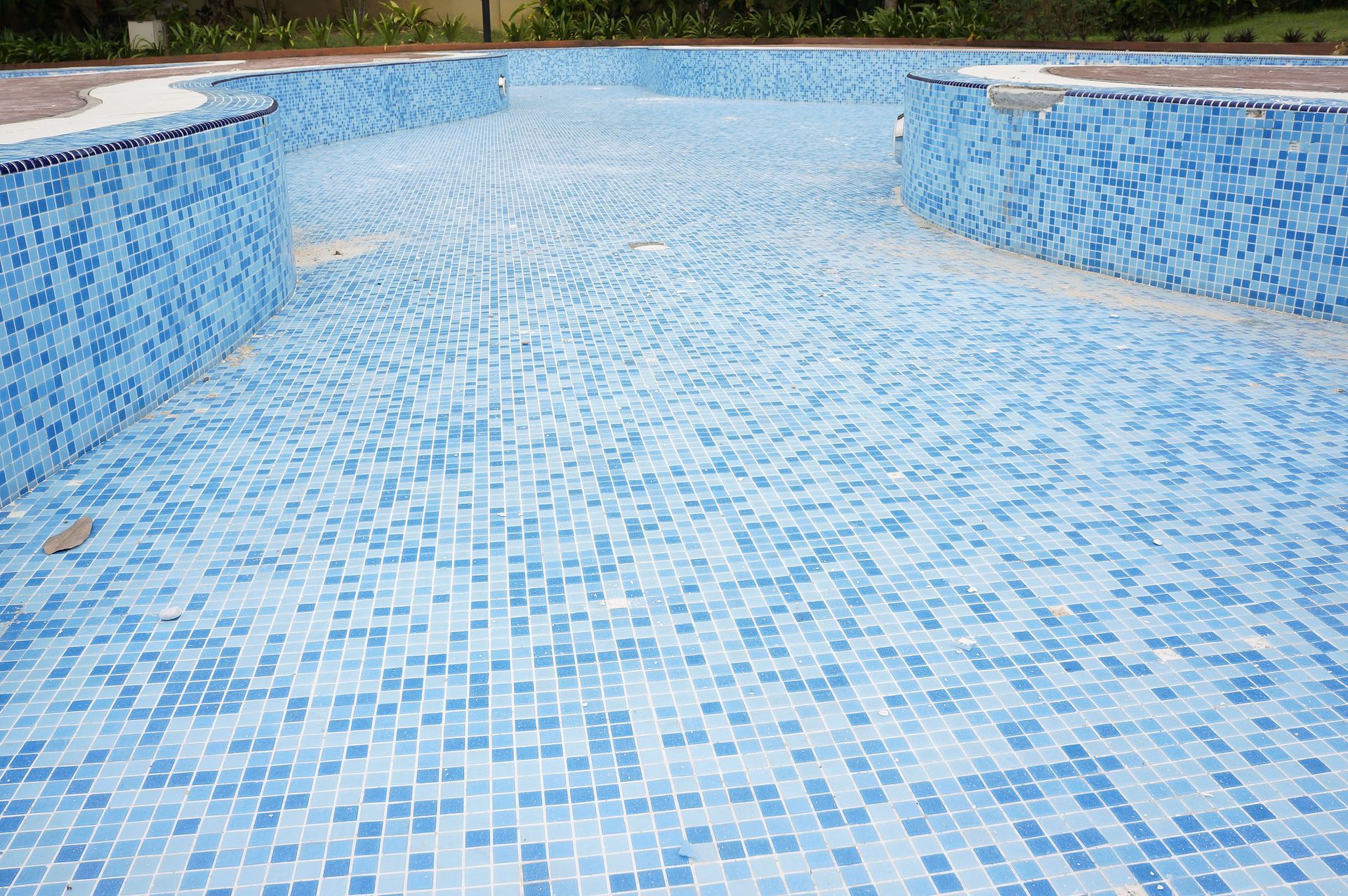
Discover how timely pool repairs prevent minor leaks from expanding. Read our latest article to recognize warning signs and preserve your backyard pool.
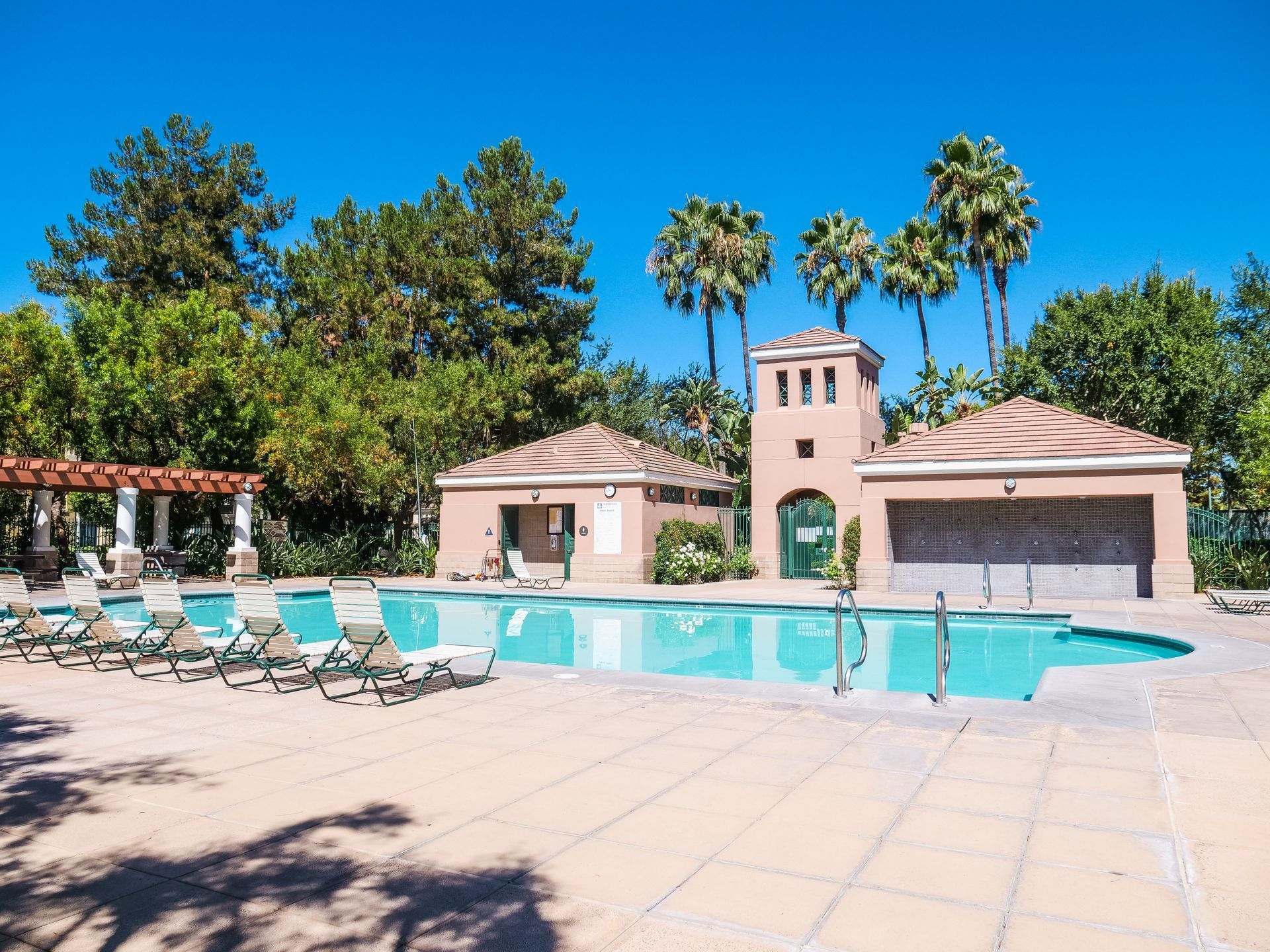
Managing a commercial or HOA community pool in Las Vegas involves far more than keeping the water clear. Intense desert heat, high bather loads, mineral-heavy water, and year-round sun put unique mechanical strains on pool infrastructure. When pool systems underperform in Southern Nevada, property managers and HOA boards face unexpected downtime, steep energy bills, or health code violations from local authorities. Establishing proactive equipment replacement rules ensures compliance, protects community funds, and preserves valuable assets. Rule 1: Apply the 50/50 Rule for Repairs vs. Replacement Deciding whether to approve another repair quote or fund a full replacement is a constant challenge for Las Vegas HOA boards. Commercial pool contractors follow the 50/50 Rule : ● If a repair estimate exceeds 50% of the cost of new equipment , and the asset has exceeded 50% of its expected useful life , replace it immediately. Pouring budget into an aging 5-year-old commercial pump motor is rarely cost-effective in Southern Nevada's summer heat. Repeated minor service calls quickly eclipse the cost of modern, warrantied commercial units. Rule 2: Strict Adherence to SNHD Regulations and State Licensing Commercial and HOA pools in Clark County answer to distinct regulatory bodies. Replacement decisions must align with regional mandates: ● Southern Nevada Health District (SNHD): Public and HOA pools operate under strict Aquatic Facility Regulations. Equipment changes must maintain approved turnover rates (typically 6 hours for standard pools; 1 to 2 hours for wading pools). SNHD requires equipment alterations to match approved plan submissions. Review official compliance guidelines via the Southern Nevada Health District Aquatic Health Program . ● Virginia Graeme Baker (VGB) Act: Anti-entrapment main drain covers must be replaced per manufacturer expiration schedules—typically every 3 to 7 years —regardless of visual appearance. ● Nevada Contractor Licensing: Under NRS 624, pool equipment replacement exceeding $1,000 must be completed by a licensed contractor holding an A-10 or A-10E classification. Property managers can verify licensing status directly through the Nevada State Contractors Board . Rule 3: Account for High Total Dissolved Solids (TDS) and Extreme Heat Las Vegas tap water is sourced from Lake Mead and carries high mineral content. Coupled with summer temperatures regularly topping 100°F, local pool equipment faces two specific environmental threats: 1. Scale Buildup on Heaters & Cells: Calcium drops out of solution quickly in hot water, coating heat exchangers and salt chlorinator cells. If scale cannot be cleared with routine acid washing, replace the component to prevent catastrophic heater failure. 2. Proactive Automation Probe Swaps: Sun exposure and intense summer bather loads cause chemical automation sensors (pH and ORP probes) to drift rapidly. Calibrate probes monthly and replace them every 12 to 18 months to prevent dangerous chemical imbalances. Rule 4: Upgrade to Energy-Efficient Commercial Variable-Speed Pumps Replacing older single-speed commercial pumps with variable-speed models is no longer just a recommendation—it is an economic necessity in Southern Nevada. ● Running a commercial single-speed pump 24/7 during a Las Vegas summer generates substantial monthly electricity bills. ● Commercial variable-speed pumps allow operators to lower flow rates during off-peak hours while still satisfying mandatory SNHD turnover rates. ● Upgrading frequently slashes filtration energy consumption by up to 70%, allowing commercial facilities to recoup equipment replacement costs quickly through utility savings. Rule 5: Align Replacements with Your HOA Capital Reserve Study HOA boards are financially obligated to maintain Reserve Studies. Pool mechanical systems represent one of the largest recurring line items in community budgets. ● Schedule Annual Audits: Have a certified commercial pool service inspect the equipment pad every autumn to benchmark wear against reserve projections. ● Avoid Simultaneous Failures: Stagger equipment replacements over a multi-year cycle so heaters, pumps, and filtration systems are not failing simultaneously. ● Specify NSF/ANSI Commercial Equipment: Ensure reserve funding accounts for commercial-grade assets. Installing residential-grade units on an HOA pool invalidates warranties, fails SNHD inspections, and leads to premature mechanical failure. By implementing proactive replacement rules, Las Vegas property managers and HOA boards prevent emergency pool closures, maintain health department compliance, and keep community assets operating smoothly year-round. Need professional advice or more info on pool equipment? Contact our team at 1 Awesome Pool Solution today to get started. We have the expertise you need to get the job done right the first time. Founded in 1997, our pool repair company has been serving the Las Vegas area for decades. When it comes to your pool, quality is everything. We take pride in being the pool repair company the Las Vegas community trusts! We look forward to making sure you have a 1 Awesome Pool at your home! Call us today at (702) 381-1197
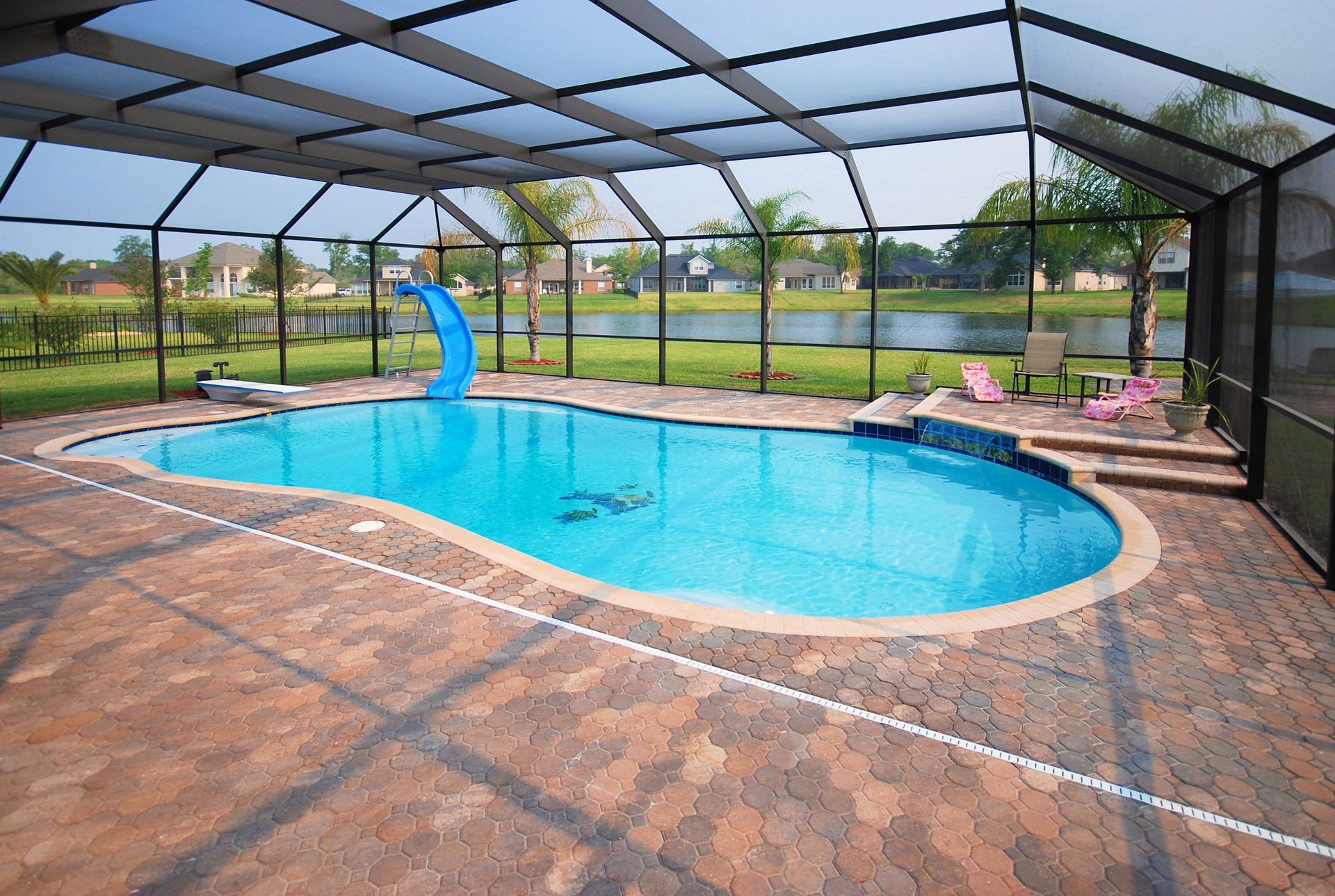
Did you know that good swimming pool repair has many benefits? This is especially true if you have a family to enjoy it with. Here's an article to learn more!
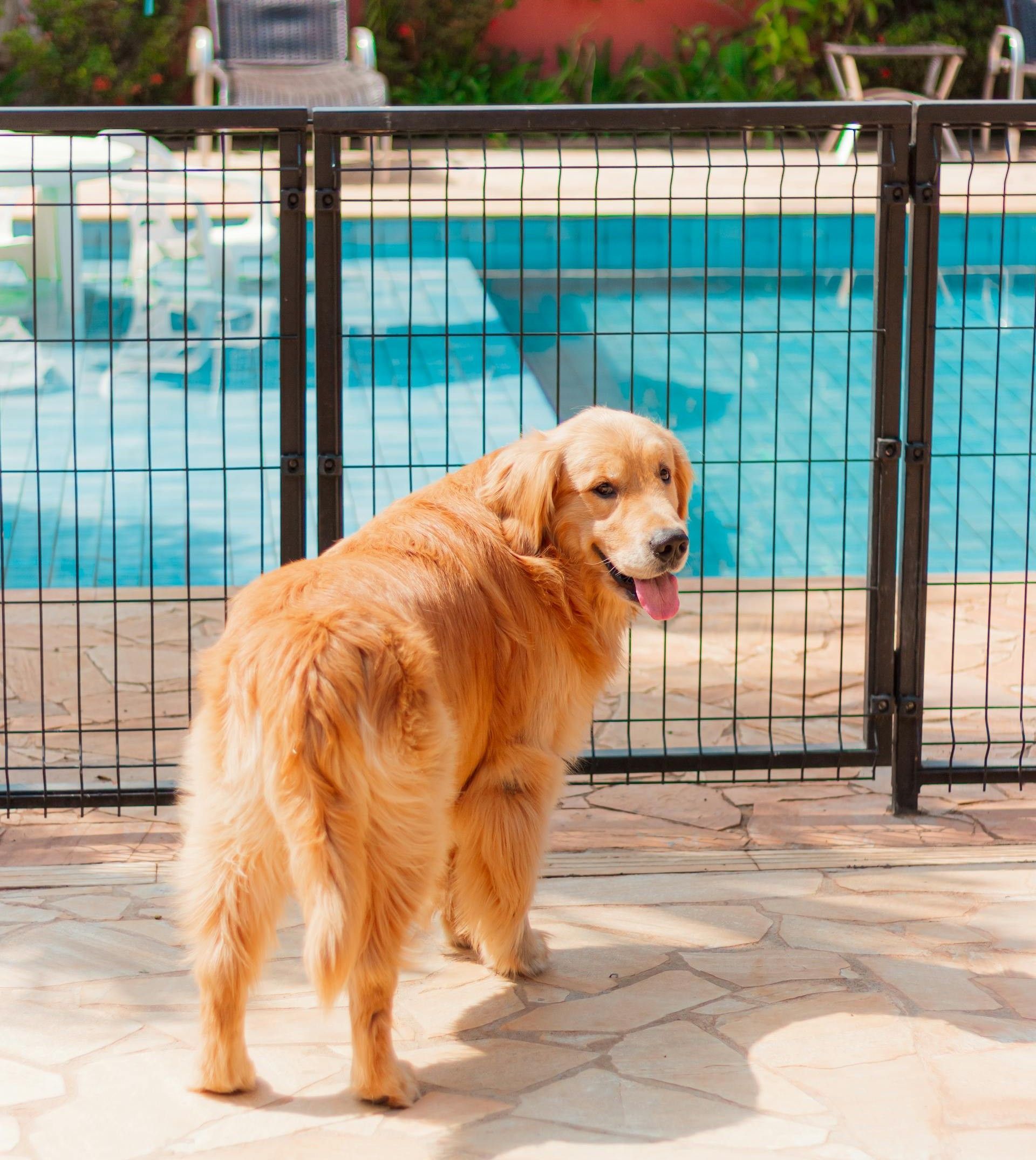
A backyard swimming pool is the ultimate summer sanctuary. It’s where families gather to beat the heat, entertain friends, and create lasting memories. However, owning a pool comes with significant responsibilities. Beyond maintaining chemical balance and crystal-clear water, safeguarding your family and guests requires constant vigilance regarding physical hardware and mechanics. Minor wear and tear on pool equipment can quickly transform into serious hazard risks if ignored. From faulty fence latches to worn automatic covers, taking a proactive approach to maintenance ensures your backyard oasis remains both fun and secure. Here are the essential, critical repairs every pool owner should prioritize to keep safety at the forefront. 1. Repairing Fence Gates and Self-Latching Mechanisms Physical barriers are your pool’s first line of defense against accidental submersion, especially for curious young children and pets. The U.S. Consumer Product Safety Commission (CPSC) emphasizes that pool fences must feature self-closing and self-latching gates that open outward away from the pool area. Over time, gate hinges sag, latching springs rust, and environmental shifting can misalign the latch post. If your gate fails to close completely on its own from any angle or doesn't lock securely upon closing, it demands immediate attention. ● Hinge Adjustment: Tighten loose mounting screws and lubricate spring hinges with a silicone-based lubricant. If the spring mechanism inside the hinge has lost tension, adjust the spring torque or replace the hinge hardware. ● Latch Alignment: Re-align rusted or offset latches so the pin smoothly engages the lock body every single time. ● Latch Height: Ensure the release mechanism is located high enough (typically 54 inches above the ground) so small children cannot reach over to unlock it. If your gate or perimeter barrier requires extensive work, scheduling professional pool equipment repair can ensure your barrier system strictly meets local safety codes. 2. Restoring Safety Pool Covers Whether you use an automatic motorized cover or a manual winter safety mesh, a pool cover is designed to support significant weight and prevent unauthorized access to the water. However, exposure to UV rays, harsh chemicals, and heavy debris can compromise its structural integrity. Key cover issues that require prompt repair include: ● Tears and Fraying: Even minor tears in mesh or solid vinyl covers can expand rapidly under weight. Patch kits can handle minor punctures, but large rips require professional stitch repair or total panel replacement. ● Broken Springs and Straps: For tie-down covers, rusted springs or worn-out brass anchors can cause the cover to sag into the water, creating a dangerous entrapment hazard. ● Motor and Track Misalignment: Automatic covers rely on dual tracks and a drive motor. If the cover tracks unevenly or gets stuck halfway, it leaves the pool exposed. Regularly inspect your cover's webbing and mechanical hardware. If you notice grinding noises in the motor casing or fraying along the edges, address the issue before using the pool again. 3. Replacing Damaged Main Drain Covers (VGB Compliance) The main drain at the bottom of your pool creates powerful suction designed to circulate water through the filtration system. In damaged or missing drain covers, this suction force can trap swimmers underwater—a severe hazard regulated nationally under the Virginia Graeme Baker (VGB) Pool and Spa Safety Act. You can learn more about federal standards and entrapment prevention through the official Pool Safely campaign . Never allow anyone to swim in a pool with a cracked, loose, or missing main drain cover. ● Visual Inspections: Regularly look down to ensure drain covers are intact and firmly screwed into the pool floor. ● Life Expectancy: Anti-entrapment drain covers have an expiration date stamped on them (typically 5 to 7 years) due to plastic degradation from pool chemicals and sunlight. Replace them before they reach their end-of-life date. ● SVRS Systems: Consider installing a Safety Vacuum Release System (SVRS), which automatically turns off the pump if a block in the suction line is detected. 4. Fixing Underwater Pool Lights and Electrical Components Water and electricity are a dangerous combination, making electrical pool repairs urgent. Underwater lights, pump motors, and salt systems depend on sound wiring, watertight seals, and ground-fault circuit interrupter (GFCI) protection. ● Flickering or Dead Pool Lights: A burnt-out pool light isn't just an inconvenience; a breach in the light fixture seal can allow water into the niche, posing a shock hazard. If a light fails, turn off power at the circuit breaker immediately and replace the rubber gasket alongside the bulb. ● GFCI Tripping: GFCI outlets and breakers constantly monitor electrical current. If your pool breaker trips repeatedly, do not force it back on. This indicates an active ground fault, damaged underground conduit, or water intruding into an electrical housing. ● Bonding Wire Inspection: Check that the copper bonding wire attached to your pump motor and metal pool components remains securely connected. Bonding equalizes electrical potential across all metal pool parts to prevent electric shock. When dealing with complex high-voltage systems or pump motor diagnostics, turning to qualified experts for pool equipment repair service is essential to keep your backyard safe and code-compliant. 5. Securing Decking, Handrails, and Pool Ladders Slips, trips, and falls around the pool perimeter account for a large percentage of residential pool injuries. Keeping step entryways and walking surfaces in good order is vital for bathers of all ages. ● Loose Ladders and Handrails: Over time, the anchors securing handrails into the concrete deck can loosen due to rust or heavy use. Tighten wedge anchors or replace cracked escutcheon plates and mounting bolts immediately to prevent rails from giving way under someone's weight. ● Slippery or Cracked Decking: Concrete decks can crack or settle, creating uneven tripping hazards. Additionally, algae growth can make pool decks dangerously slick. Clean deck surfaces regularly following the safety guidance provided by public health resources like the Centers for Disease Control and Prevention (CDC) . ● Worn Ladder Steps: Inspect plastic ladder rungs for hairline cracks or missing anti-slip treads. Replace damaged steps before they break under load. Prioritize Safety with Regular Pool Maintenance Pool safety is an ongoing process that extends far beyond hanging a life ring by the fence. By establishing a routine inspection schedule—checking gate latches weekly, examining drain covers monthly, and inspecting electrical systems seasonally—you protect your loved ones while extending the lifespan of your pool investment. Whenever a repair involves high-voltage electricity, structural integrity, or complex filtration plumbing, don't hesitate to consult certified professionals. Investing in timely pool equipment repairs and maintenance gives you true peace of mind, letting you enjoy a worry-free swimming season every year. Need professional advice or more info on pool safety? Contact our team at 1 Awesome Pool Solution today to get started. We have the expertise you need to get the job done right the first time. Founded in 1997, our pool repair company has been serving the Las Vegas area for decades. When it comes to your pool, quality is everything. We take pride in being the pool repair company the Las Vegas community trusts! We look forward to making sure you have a 1 Awesome Pool at your home! Call us today at (702) 381-1197
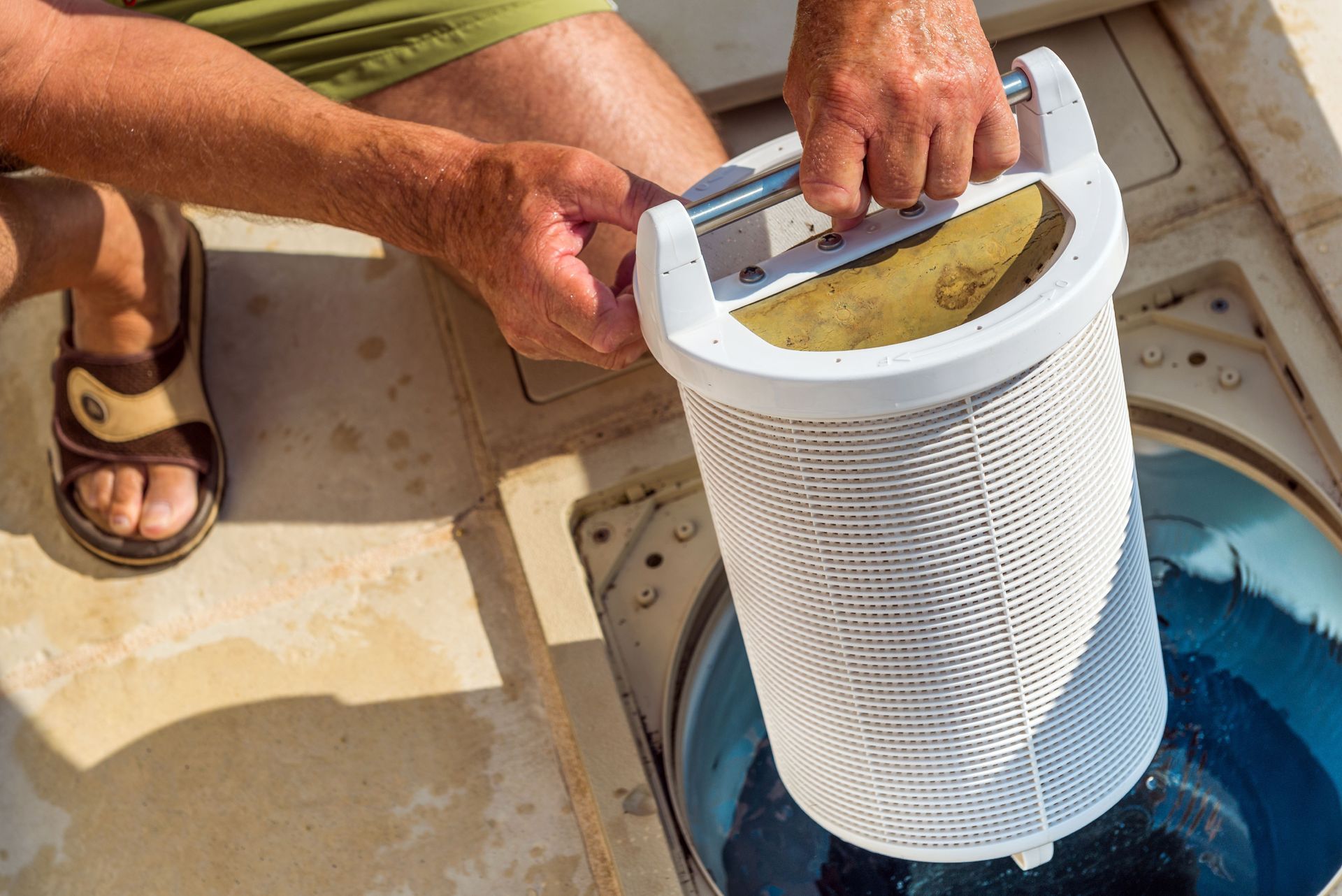
Ensure your pool stays safe and functional with expert swimming pool repairs. 1 AWESOME Pool Solution delivers dependable service and lasting results.
When the triple-digit summer heat hits the Las Vegas Valley, there is nothing quite like stepping into the crystal-clear water of your own backyard pool. However, keeping that oasis pristine requires constant circulation and filtration. For decades, the workhorse of Las Vegas pool maintenance has been the traditional single-speed pool pump. The problem? It is likely the second-largest energy consumer in your home, right behind your air conditioner. Fortunately, a major technological shift has changed the game for pool owners. Variable speed pumps (VSPs) have revolutionized how we manage water health, offering a smarter, quieter, and vastly more efficient way to maintain your pool. Here is a closer look at the advantages of variable speed pumps and why making the switch is one of the smartest investments a Southern Nevada homeowner can make. The Flaw of Single-Speed Technology To understand the revolution, you have to understand the old guard. A traditional single-speed pump operates on a very simple premise: when it is turned on, it runs at maximum velocity. Whether it is performing a high-demand task like powering a waterfall or a low-demand task like basic daily filtration, it operates at 100% power. Imagine driving your car with your foot permanently pinned to the floorboard, using only the brakes to control your speed. It is loud, stressful on the engine, and terrible for your gas mileage. Single-speed pumps apply this exact same brute-force approach to your pool, resulting in massive energy waste and unnecessarily high utility bills. The Variable Speed Advantage: Precision Meets Efficiency Variable speed pumps utilize Permanent Magnet Motors (PMM)—the same advanced, highly efficient technology used in electric vehicles. Unlike the standard induction motors found in older pumps, PMMs allow you to dial in the exact flow rate required for any specific task. This flexibility unlocks a scientific principle known as the Pump Affinity Law. This law dictates that when you reduce a pump’s speed by half, its energy consumption drops to just one-eighth of its original draw. By operating at lower speeds for longer periods, variable speed pumps provide continuous circulation without the massive electrical demand. Slashing Your Energy Consumption The most immediate and celebrated benefit of a variable speed pump is the dramatic reduction in energy consumption. According to the U.S. Department of Energy , homeowners can significantly shrink their pumping bills by upgrading to an efficient model and optimizing run times, with some users saving up to 75%. For a homeowner in Las Vegas, NV, where pools require year-round care and utility rates climb with summer demand, these savings are substantial. In fact, many local pool owners find that a new variable speed pump pays for itself in just one to two cooling seasons through electricity savings alone. Local Tip: Residents in Southern Nevada can stretch their savings even further. NV Energy frequently offers PowerShift rebates and free peak-avoidance calibrations for qualifying variable speed pumps. Calibrating your pump to avoid peak usage hours (typically between 3:00 PM and 7:00 PM) maximizes your return on investment and keeps your energy bills predictable. Superior Pool Maintenance and Water Clarity While the financial savings are fantastic, VSPs also fundamentally improve the quality of your pool maintenance. ● Enhanced Filtration: Moving water at a slower speed is actually much better for your pool’s filter. High-velocity single-speed pumps can easily force small debris right through the filter media and back into the pool. A slower, steadier flow allows the filter to catch much finer particles, resulting in visibly clearer water. ● Better Chemical Balancing: Because a variable speed pump is affordable to run for 12 to 24 hours a day at low speeds, the water is constantly circulating. This prevents stagnant pockets from forming and ensures your chlorine and pool chemicals are evenly distributed, drastically reducing the likelihood of algae blooms during a brutal Las Vegas heatwave. ● Reduced Wear and Tear: Lower speeds mean lower pressure inside your pipes, filter, and heater. This significantly reduces the hydraulic stress on your entire plumbing system, extending the life of your equipment and preventing costly leaks. Unmatched Quiet Operation If you are used to the roaring hum of a single-speed induction motor, a variable speed pump will sound like a breath of fresh air. Because they run at lower RPMs and utilize fully enclosed, fan-cooled designs, VSPs are incredibly quiet. You can run your pump late at night or early in the morning without disturbing your neighbors or disrupting your patio relaxation. Choosing an ENERGY STAR Certified Model When shopping for an upgrade, it is crucial to look for third-party validation. Pumps that have earned certification from ENERGY STAR are independently verified to save energy and protect the environment. An ENERGY STAR certified variable speed pump can save a typical household hundreds of dollars per year compared to conventional models. Ensure you work with a licensed Las Vegas pool maintenance professional to properly size the pump for your specific pool gallonage and plumbing setup. The Verdict If you are still running an outdated, single-speed pump, you are paying a premium for substandard filtration. Variable speed pumps represent a true leap forward in pool technology. By offering precision control, vastly superior energy efficiency, and better daily water circulation, they take the stress out of pool ownership. Upgrading your equipment will not only insulate you from rising summer energy costs in Las Vegas, NV, but it will also leave you with a cleaner, quieter, and more enjoyable backyard oasis. Need professional advice or more info on variable speed pumps? Contact our team at 1 Awesome Pool Solution today to get started. We have the expertise you need to get the job done right the first time. Founded in 1997, our pool repair company has been serving the Las Vegas area for decades. When it comes to your pool, quality is everything. We take pride in being the pool repair company the Las Vegas community trusts! We look forward to making sure you have a 1 Awesome Pool at your home! Call us today at (702) 381-1197

When you think about resurfacing your swimming pool, your mind likely drifts to images of shimmering turquoise waters, smooth aggregate finishes, and an overnight transformation of your backyard aesthetic. In a city like Las Vegas, where backyard entertainment is a lifestyle, visual appeal is undeniably important. However, looking at pool resurfacing strictly as a cosmetic upgrade misses the bigger picture. In the Mojave Desert, a swimming pool is a complex machinery system fighting against some of the harshest environmental conditions in North America. Beyond the visual facelift, resurfacing your pool provides vital structural, chemical, and financial benefits that protect your home investment. Here is why pool resurfacing is essential for structural integrity, water conservation, and long-term cost savings. 1. Preventing Structural Degradation and Costly Leaks A pool’s surface layer—whether plaster, pebble, or quartz—is not just there to look smooth; it serves as a waterproof barrier protecting the structural concrete shell beneath it. Over time, constant exposure to water pressure and pool chemicals wears this barrier down, making it porous. When the protective finish degrades, water begins to seep through to the underlying shotcrete or gunite. Once moisture reaches the interior framework, it triggers structural deterioration by rusting the reinforcing steel rebar (Khartode et al., 2023). As the rebar rusts, it expands, causing the surrounding concrete to crack, spall, and pop. What starts as a minor surface roughness can evolve into major structural cracks, leading to hidden underground leaks. Resurfacing acts as a structural reset, applying a brand-new, watertight seal that prevents sub-surface water damage from compromising the integrity of your entire pool shell. 2. Mitigating the High Cost of Desert Water Loss Water conservation is a critical issue in Southern Nevada. The combination of intense heat and single-digit humidity creates a punishing environment for open bodies of water. Evaporative water loss in arid climates already drains thousands of gallons from local pools annually (Hof et al., 2018). The last thing a Las Vegas homeowner needs is to compound environmental evaporation with structural water loss. Old, pitted, or cracked pool surfaces allow water to slowly bleed out into the surrounding desert soil. Because this water loss occurs underground, many homeowners mistake it for high evaporation rates until they notice their water bills skyrocketing. A fresh resurfacing job seals these micro-fissures completely. By stopping structural leaks, you do your part to support regional water preservation efforts led by agencies like the Southern Nevada Water Authority , while simultaneously keeping your monthly utility bills in check. 3. Restoring Chemical Equilibrium and Reducing Chemical Costs Have you noticed that you are pouring more and more chlorine, acid, and shock into your older pool just to keep the water clear? The culprit might be your pool's aging finish. As pool plaster degrades, it becomes highly porous and develops a rough, uneven texture. These microscopic pits and craters create the perfect breeding ground for algae and bacteria, shielding them from routine vacuuming and brushing. Furthermore, older, disintegrating plaster can leach calcium and other minerals directly into the water, continuously destabilizing your pH and Total Alkalinity levels. Resurfacing introduces a non-porous, smooth layer that deprives algae of a foothold. With a balanced, non-reactive surface, your sanitizers work more efficiently, meaning you will spend significantly less money on expensive chemical treatments each month. 4. Protecting Pool Equipment from Hard Water Straining Las Vegas is notorious for its exceptionally hard water, filled with high concentrations of calcium carbonate. As water evaporates rapidly under the desert sun, it leaves behind dense calcium deposits. On an old, rough pool finish, scale accumulation clings aggressively to the walls and floor. When these rough mineral scaling deposits break off, they travel straight through your pool's plumbing lines and into its equipment. Calcium scale buildup can restrict water flow, clog filtration systems, and calcify inside expensive salt-chlorine generators and heater elements. This forces your pool pump to work twice as hard to circulate water, accelerating equipment failure. A smooth, newly resurfaced pool significantly reduces scale adhesion, protecting your plumbing and extending the lifespan of your mechanical equipment. 5. Improving Swimmer Comfort and Safety While structural and mechanical longevity are vital, the immediate human element cannot be overlooked. An aging pool surface often develops a texture similar to coarse sandpaper. This rough finish can scrape hands, snag swimwear, and cause painful raw feet for children playing in the water. Furthermore, advanced surface degradation can cause plaster to delaminate or chip, leaving sharp edges along the pool floor. Resurfacing eliminates these physical hazards, ensuring a smooth, safe, and comfortable environment for family and friends. When Should You Resurface? While traditional plaster surfaces generally last between 7 to 10 years, premium quartz and pebble aggregate finishes can last 15 to 20 years or longer with proper maintenance. If you notice persistent staining, a sand-like texture on the floor, mysterious drops in the water level, or erratic chemical readings, it is time to look past the surface. Investing in professional pool resurfacing ensures that your backyard oasis remains a safe, energy-efficient, and structurally sound asset for decades to come. For more information on maintaining residential water systems and standard pool chemistry compliance, homeowners can consult resource guidelines provided by the U.S. Environmental Protection Agency . Need professional advice or a resurfacing quote? Contact our team at 1 Awesome Pool Solution today to get started. We have the expertise you need to get the job done right the first time. Founded in 1997, our pool repair company has been serving the Las Vegas area for decades. When it comes to your pool, quality is everything. We take pride in being the pool repair company the Las Vegas community trusts! We look forward to making sure you have a 1 Awesome Pool at your home! Call us today at (702) 381-1197
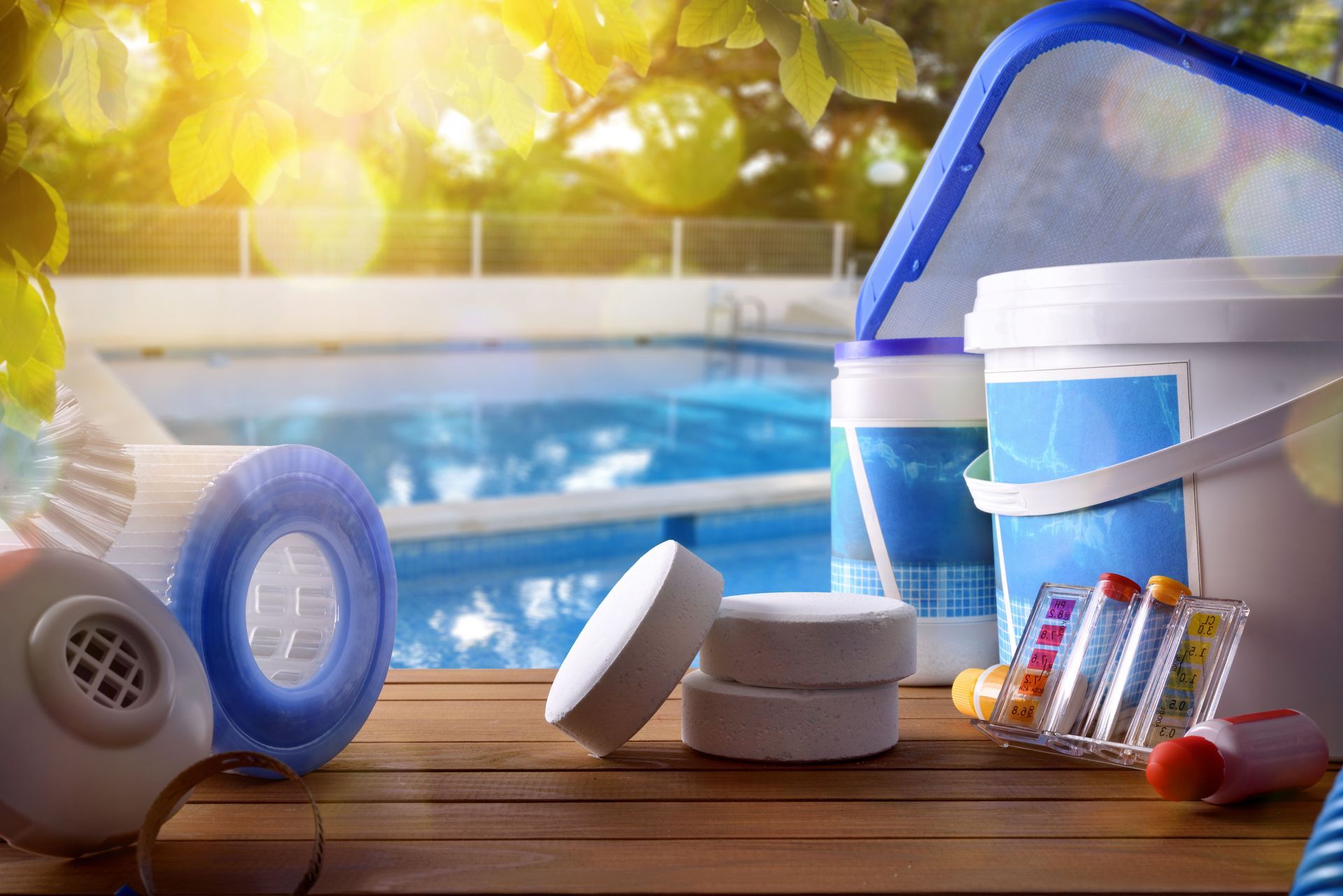
Enjoy stress-free pool ownership with expert pool services that keep your water crystal clear and your equipment running perfectly year-round.
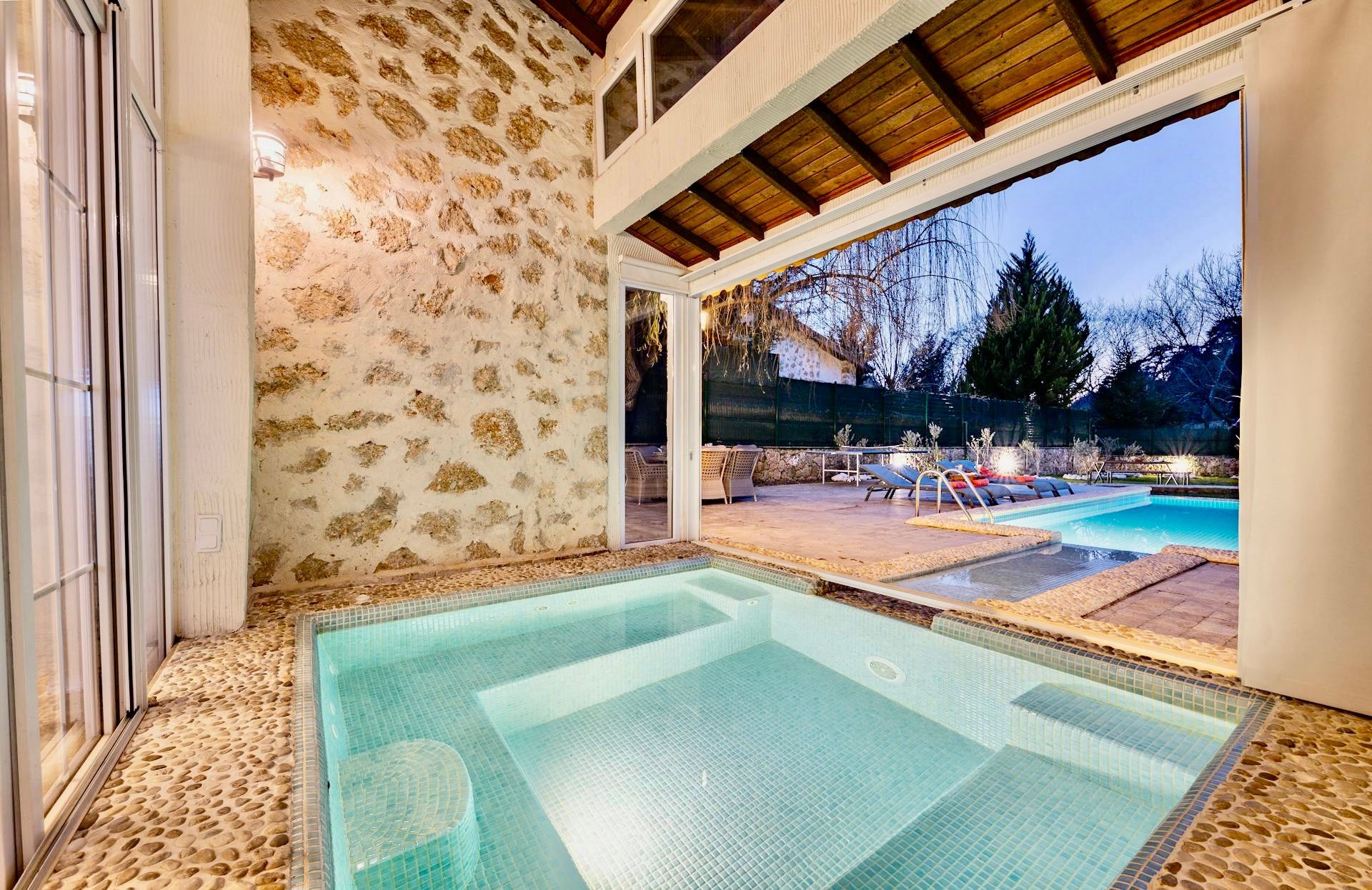
In Las Vegas, a swimming pool isn't just a luxury; it’s a survival tool. For many homeowners in the Mojave Desert, the pool deck serves as an extension of the living room—a place for Sunday barbecues, morning coffees, and midnight dips. However, the unique climate of Southern Nevada presents a specific set of challenges for outdoor surfaces. Between the blistering 110°F summer days and the surprisingly crisp winter nights, your pool deck undergoes significant thermal expansion and contraction, UV exposure, and chemical wear. Maintaining a pristine pool deck in Las Vegas requires more than just an occasional spray with a garden hose. It demands a seasonal strategy tailored to the desert environment. Here is your comprehensive guide to year-round pool deck maintenance. The Foundation: Understanding Your Deck Material Before diving into seasonal chores, identify your surface. Whether you have Kool Deck (a trademarked concrete topping designed to stay cool), stamped concrete, natural stone, or pavers, the maintenance nuances will vary. Regardless of the material, the primary enemies in Las Vegas are UV radiation and calcium carbonate buildup from our hard desert water. Spring: The Pre-Season Reset Spring is the most critical time for pool deck maintenance in Nevada. As the "windy season" arrives, dust and debris from the surrounding desert can settle into the pores of your deck, leading to staining and abrasion. · Deep Cleaning: Use a pressure washer on a low-to-medium setting to remove winter grime. For stubborn stains or calcium deposits, a mild solution of water and muriatic acid may be necessary. · Inspection: Check for "spalling" or cracks caused by winter temperature fluctuations. Small cracks can be filled with a matching masonry filler. · Sealing: If your deck hasn't been sealed in 2–3 years, Spring is the ideal window. A high-quality UV-resistant sealer protects the color of your stamped concrete or stone. For more on the science of concrete protection, consult the American Concrete Institute Summer: Protection and Heat Management From June to September, the goal shifts from cleaning to protection. The Las Vegas sun is relentless, and the deck surface can reach temperatures that are literally skin-scorching. · The "Cool-Down" Rinse: Briefly rinsing the deck with water can lower the surface temperature. Avoid doing this in the heat of the day with hard tap water to prevent calcium spots. · Chemical Splash Awareness: High summer usage means more chlorine and salt water splashing. A quick freshwater rinse after a heavy pool day goes a long way. · Furniture Check: Ensure your patio furniture has rubber or plastic footings to prevent heat damage or rust transfer. Autumn: Post-Summer Recovery As the temperatures dip, it’s time to assess the damage from the summer peak. Fall in Las Vegas is the perfect time for quick preventative measures. · Calcium Removal: Check the "waterline" areas for white, crusty deposits. For professional guidance on managing water quality, the Pool & Hot Tub Alliance provides excellent resources. · Debris Management: Las Vegas winds pick up again in the fall. Sweep daily to prevent organic staining from leaves or desert scrub. Winter: The Chill and the Calms While we don't worry about heavy snow, Las Vegas does experience "freeze-thaw" cycles where temperatures drop below 32°F overnight. · Avoid Salt: Never use de-icing salts on your pool deck; they are incredibly corrosive. Use sand for traction if necessary. · Drainage Inspection: Ensure your deck drains are clear of pine needles and silt to prevent standing water. Year-Round Best Practices 1. Manage Your Water Chemistry: Properly balanced pool water is less aggressive toward your deck. See the CDC’s Healthy Swimming page 2. Keep it Dry: Use a squeegee to remove large puddles to prevent evaporation rings. 3. Furniture Pads: Use outdoor rugs or furniture pads to prevent scratches in the sealer. Conclusion A pool deck in Las Vegas is a significant investment. By following these seasonal routines—cleaning and sealing in the spring, protecting in the summer, and inspecting in the winter—you can ensure your outdoor oasis remains beautiful for decades. When it comes to swimming pool repairs, deck work, & equipment upgrades in the Las Vegas Valley area, homeowners can rely on 1 Awesome Pool Solution! When you need pool remodeling, equipment replacement, resurfacing work, pool deck construction, or other swimming pool repairs, we're the team to call! We have the expertise you need to get the job done right the first time. Founded in 1997, our pool repair company has been serving the Las Vegas area for decades. When it comes to your pool, quality is everything. We take pride in being the pool repair company the Las Vegas community trusts! Contact our team at 1 Awesome Pool Solution today to get started. We look forward to making sure you have a 1 Awesome Pool at your home! Call us today at (702) 381-1197
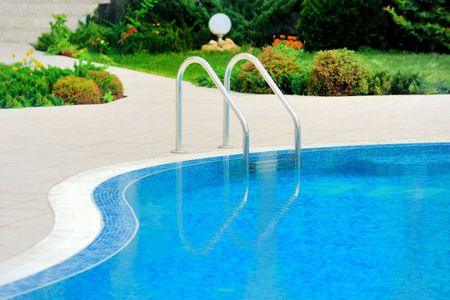
Owning a swimming pool in Las Vegas, Nevada is one of the best ways to beat the relentless desert heat. With summer temperatures regularly climbing well past 100°F, your pool serves as an essential backyard oasis for family recreation and weekend relaxation. However, operating a pool in the Mojave Desert presents unique physical and environmental challenges. Extreme thermal fluctuations, intense solar UV exposure, high airborne dust concentrations during summer monsoons, and exceptionally hard municipal water full of dissolved minerals put continuous strain on your pool mechanics. When a pump starts screeching, a filter tank cracks, or a heater stops firing, Las Vegas homeowners face an inevitable decision: Should you repair the existing component or replace it with a modern upgrade? While repairing may seem like the most budget-friendly immediate option, continuing to patch up aging pool equipment in Southern Nevada can quickly become a costly money pit. This comprehensive guide breaks down the critical factors to evaluate so you can make the smartest financial and operational investment for your swimming pool. 1. The "50% Rule" and Equipment Lifespans in Las Vegas A reliable benchmark used by pool professionals across Nevada is the 50% Rule : If the estimated cost of repairing an existing piece of equipment meets or exceeds 50% of the total cost of purchasing and installing a brand-new unit, replacement is almost always the smarter long-term financial choice. Furthermore, if your equipment is approaching the end of its expected operational lifecycle, investing significant capital into repairs yields diminishing returns. In Southern Nevada, environmental factors significantly impact equipment lifespan: ● Pool Pumps (Single-Speed): Average Lifespan 4–7 Years. Primary Stressors: Continuous summer operation in 110°F+ ambient heat leading to motor thermal overload and shaft seal breakdown. ● Variable-Speed Pumps: Average Lifespan 8–12 Years. Primary Stressors: Enclosed drive electronics, though cooler brushless motors resist desert heat much better than legacy single-speed models. ● Pool Filters (Cartridge/DE/Sand): Average Lifespan 6–10 Years. Primary Stressors: High UV degradation on plastic shells/grids and heavy calcium scaling on internal filter media. ● Gas Pool Heaters: Average Lifespan 5–8 Years. Primary Stressors: Hard water scale accumulation inside copper heat exchangers and burner rust from winter weather exposure. ● Salt Water Chlorinator Cells: Average Lifespan 3–5 Years. Primary Stressors: Rapid calcium scale buildup requiring frequent acid washing, which degrades titanium cell plates. 2. Pool Pumps: Repairing vs. Upgrading to Variable-Speed Technology The circulation pump is the heart of your pool system. In Las Vegas, single-speed pumps historically ran 8 to 12 hours a day during summer months to keep water sanitized and clear. However, old single-speed pumps are massive energy hogs, often accounting for up to 20% to 30% of a home's monthly electricity bill during peak Nevada summer energy rates. When to Repair: If your pump is relatively new (under 3 years old) and suffers a minor issue—such as a worn shaft seal, broken impeller, or blown capacitor—a simple repair costing $150 to $300 is completely logical and cost-effective. When to Replace & Upgrade: If the motor shaft is rusted, the internal windings have burned out, or the pump screams loudly due to failing bearings, replacement is the right choice. Under federal efficiency standards established by the U.S. Department of Energy ( Energy.gov ), legacy single-speed pool pumps have largely been phased out in favor of high-efficiency Variable Speed Pumps (VSPs). Upgrading to a variable-speed pool pump in Las Vegas offers immediate financial returns: ● Massive Energy Savings: VSPs use permanent magnet motors and operate at lower speeds for longer periods, cutting electrical consumption by up to 70% to 80%. ● NV Energy Rebates: NV Energy frequently offers utility rebates for homeowners transitioning to Energy Star certified variable-speed pool pumps. ● Quieter Operation & Better Filtration: Running at lower speeds drastically lowers motor noise while allowing your filter to capture fine desert dust far more efficiently. 3. Pool Filters: Cartridge, DE, and Sand Systems Las Vegas experiences intense windstorms, summer monsoons, and high dust volumes. Your pool filter works overtime to keep dust, organic debris, and microscopic minerals out of the water. Signs Your Filter Needs Repair: For Diatomaceous Earth (DE) or cartridge filters, replacing torn manifold grids, damaged o-rings, or worn filter cartridges during routine seasonal maintenance is standard, economical, and restores peak filtration performance. Signs Your Filter Needs Complete Replacement: ● Cracked or Bulging Tank Body: High summer ambient heat paired with hydraulic pressure weakens plastic structural shells over time. A cracked tank body poses severe safety hazards under pressure and cannot be safely patched. ● Stripped Threads & Calcium Damage: When manifold assemblies, standpipes, and tank locking rings are destroyed by severe mineral scaling or mechanical wear, replacing the full unit is often cheaper than piecemeal repairs. ● Excessive Backwashing Requirements: Sand filters that continuously channel or release sand into the pool often require full media replacement or modern cartridge conversions to conserve water in Nevada's drought-conscious region. 4. Pool Heaters: Extending Your Swimming Season in Southern Nevada Even in Southern Nevada, desert winters bring night temperatures down into the 30s and 40s. A reliable pool heater extends your swimming season into early spring and late autumn, or keeps spa temperatures comfortable year-round. If your gas heater experiences ignition failures due to dirty flame sensors, minor insect blockages, or faulty pressure switches, a targeted repair is straightforward. However, if the copper heat exchanger has corroded due to hard water scale or improper chemical balance, replacement is mandatory. According to industry safety and maintenance standards set by the Pool & Hot Tub Alliance ( PHTA.org ), maintaining balanced water chemistry is critical to preventing premature heat exchanger failure, especially in high-hardness water regions like Clark County. Smart Upgrade Note: Modern ultra-low NOx gas pool heaters comply with Nevada environmental standards, heat up significantly faster, and burn up to 15% to 20% less natural gas than models manufactured a decade ago. 5. Smart Automation & Salt Sanitization Upgrades If you are still manually turning yellow dial mechanical timers or mixing liquid chlorine in 105°F heat, upgrading your pad equipment with smart technology drastically reduces weekly labor and chemical expenses. ● Smart Automation Systems: Modern controllers allow Las Vegas homeowners to manage pump speeds, heating schedules, lighting, and water features directly from an iPhone or Android app. ● Salt Water Chlorination: Salt systems continuously convert dissolved salt into pure chlorine, eliminating harsh chemical spikes and protecting skin and eyes. In the intense desert sun, salt generators provide a steady, automated chlorine feed that prevents sudden algae blooms during summer heatwaves. Conclusion: Making the Right Choice for Your Las Vegas Pool Evaluating whether to repair or replace your pool equipment comes down to balancing immediate repair costs against long-term energy efficiency, reliability, and peace of mind. In Las Vegas, where extreme weather and hard water accelerate equipment wear, upgrading old single-speed pumps, leaking filters, or inefficient heaters to modern Energy Star equipment pays for itself through lower NV Energy electric bills, reduced chemical usage, and crystal-clear water all year long. If your pool equipment is over 5 years old and experiencing frequent breakdowns, consult a licensed, insured Las Vegas pool service professional to audit your equipment pad and recommend the most cost-effective upgrade strategy. Need professional advice or more info on pool equipment repairs? Contact our team at 1 Awesome Pool Solution today to get started. We have the expertise you need to get the job done right the first time. Founded in 1997, our pool repair company has been serving the Las Vegas area for decades. When it comes to your pool, quality is everything. We take pride in being the pool repair company the Las Vegas community trusts! We look forward to making sure you have a 1 Awesome Pool at your home! Call us today at (702) 381-1197
Discover how timely pool repairs prevent minor leaks from expanding. Read our latest article to recognize warning signs and preserve your backyard pool.
Managing a commercial or HOA community pool in Las Vegas involves far more than keeping the water clear. Intense desert heat, high bather loads, mineral-heavy water, and year-round sun put unique mechanical strains on pool infrastructure. When pool systems underperform in Southern Nevada, property managers and HOA boards face unexpected downtime, steep energy bills, or health code violations from local authorities. Establishing proactive equipment replacement rules ensures compliance, protects community funds, and preserves valuable assets. Rule 1: Apply the 50/50 Rule for Repairs vs. Replacement Deciding whether to approve another repair quote or fund a full replacement is a constant challenge for Las Vegas HOA boards. Commercial pool contractors follow the 50/50 Rule : ● If a repair estimate exceeds 50% of the cost of new equipment , and the asset has exceeded 50% of its expected useful life , replace it immediately. Pouring budget into an aging 5-year-old commercial pump motor is rarely cost-effective in Southern Nevada's summer heat. Repeated minor service calls quickly eclipse the cost of modern, warrantied commercial units. Rule 2: Strict Adherence to SNHD Regulations and State Licensing Commercial and HOA pools in Clark County answer to distinct regulatory bodies. Replacement decisions must align with regional mandates: ● Southern Nevada Health District (SNHD): Public and HOA pools operate under strict Aquatic Facility Regulations. Equipment changes must maintain approved turnover rates (typically 6 hours for standard pools; 1 to 2 hours for wading pools). SNHD requires equipment alterations to match approved plan submissions. Review official compliance guidelines via the Southern Nevada Health District Aquatic Health Program . ● Virginia Graeme Baker (VGB) Act: Anti-entrapment main drain covers must be replaced per manufacturer expiration schedules—typically every 3 to 7 years —regardless of visual appearance. ● Nevada Contractor Licensing: Under NRS 624, pool equipment replacement exceeding $1,000 must be completed by a licensed contractor holding an A-10 or A-10E classification. Property managers can verify licensing status directly through the Nevada State Contractors Board . Rule 3: Account for High Total Dissolved Solids (TDS) and Extreme Heat Las Vegas tap water is sourced from Lake Mead and carries high mineral content. Coupled with summer temperatures regularly topping 100°F, local pool equipment faces two specific environmental threats: 1. Scale Buildup on Heaters & Cells: Calcium drops out of solution quickly in hot water, coating heat exchangers and salt chlorinator cells. If scale cannot be cleared with routine acid washing, replace the component to prevent catastrophic heater failure. 2. Proactive Automation Probe Swaps: Sun exposure and intense summer bather loads cause chemical automation sensors (pH and ORP probes) to drift rapidly. Calibrate probes monthly and replace them every 12 to 18 months to prevent dangerous chemical imbalances. Rule 4: Upgrade to Energy-Efficient Commercial Variable-Speed Pumps Replacing older single-speed commercial pumps with variable-speed models is no longer just a recommendation—it is an economic necessity in Southern Nevada. ● Running a commercial single-speed pump 24/7 during a Las Vegas summer generates substantial monthly electricity bills. ● Commercial variable-speed pumps allow operators to lower flow rates during off-peak hours while still satisfying mandatory SNHD turnover rates. ● Upgrading frequently slashes filtration energy consumption by up to 70%, allowing commercial facilities to recoup equipment replacement costs quickly through utility savings. Rule 5: Align Replacements with Your HOA Capital Reserve Study HOA boards are financially obligated to maintain Reserve Studies. Pool mechanical systems represent one of the largest recurring line items in community budgets. ● Schedule Annual Audits: Have a certified commercial pool service inspect the equipment pad every autumn to benchmark wear against reserve projections. ● Avoid Simultaneous Failures: Stagger equipment replacements over a multi-year cycle so heaters, pumps, and filtration systems are not failing simultaneously. ● Specify NSF/ANSI Commercial Equipment: Ensure reserve funding accounts for commercial-grade assets. Installing residential-grade units on an HOA pool invalidates warranties, fails SNHD inspections, and leads to premature mechanical failure. By implementing proactive replacement rules, Las Vegas property managers and HOA boards prevent emergency pool closures, maintain health department compliance, and keep community assets operating smoothly year-round. Need professional advice or more info on pool equipment? Contact our team at 1 Awesome Pool Solution today to get started. We have the expertise you need to get the job done right the first time. Founded in 1997, our pool repair company has been serving the Las Vegas area for decades. When it comes to your pool, quality is everything. We take pride in being the pool repair company the Las Vegas community trusts! We look forward to making sure you have a 1 Awesome Pool at your home! Call us today at (702) 381-1197
Did you know that good swimming pool repair has many benefits? This is especially true if you have a family to enjoy it with. Here's an article to learn more!
A backyard swimming pool is the ultimate summer sanctuary. It’s where families gather to beat the heat, entertain friends, and create lasting memories. However, owning a pool comes with significant responsibilities. Beyond maintaining chemical balance and crystal-clear water, safeguarding your family and guests requires constant vigilance regarding physical hardware and mechanics. Minor wear and tear on pool equipment can quickly transform into serious hazard risks if ignored. From faulty fence latches to worn automatic covers, taking a proactive approach to maintenance ensures your backyard oasis remains both fun and secure. Here are the essential, critical repairs every pool owner should prioritize to keep safety at the forefront. 1. Repairing Fence Gates and Self-Latching Mechanisms Physical barriers are your pool’s first line of defense against accidental submersion, especially for curious young children and pets. The U.S. Consumer Product Safety Commission (CPSC) emphasizes that pool fences must feature self-closing and self-latching gates that open outward away from the pool area. Over time, gate hinges sag, latching springs rust, and environmental shifting can misalign the latch post. If your gate fails to close completely on its own from any angle or doesn't lock securely upon closing, it demands immediate attention. ● Hinge Adjustment: Tighten loose mounting screws and lubricate spring hinges with a silicone-based lubricant. If the spring mechanism inside the hinge has lost tension, adjust the spring torque or replace the hinge hardware. ● Latch Alignment: Re-align rusted or offset latches so the pin smoothly engages the lock body every single time. ● Latch Height: Ensure the release mechanism is located high enough (typically 54 inches above the ground) so small children cannot reach over to unlock it. If your gate or perimeter barrier requires extensive work, scheduling professional pool equipment repair can ensure your barrier system strictly meets local safety codes. 2. Restoring Safety Pool Covers Whether you use an automatic motorized cover or a manual winter safety mesh, a pool cover is designed to support significant weight and prevent unauthorized access to the water. However, exposure to UV rays, harsh chemicals, and heavy debris can compromise its structural integrity. Key cover issues that require prompt repair include: ● Tears and Fraying: Even minor tears in mesh or solid vinyl covers can expand rapidly under weight. Patch kits can handle minor punctures, but large rips require professional stitch repair or total panel replacement. ● Broken Springs and Straps: For tie-down covers, rusted springs or worn-out brass anchors can cause the cover to sag into the water, creating a dangerous entrapment hazard. ● Motor and Track Misalignment: Automatic covers rely on dual tracks and a drive motor. If the cover tracks unevenly or gets stuck halfway, it leaves the pool exposed. Regularly inspect your cover's webbing and mechanical hardware. If you notice grinding noises in the motor casing or fraying along the edges, address the issue before using the pool again. 3. Replacing Damaged Main Drain Covers (VGB Compliance) The main drain at the bottom of your pool creates powerful suction designed to circulate water through the filtration system. In damaged or missing drain covers, this suction force can trap swimmers underwater—a severe hazard regulated nationally under the Virginia Graeme Baker (VGB) Pool and Spa Safety Act. You can learn more about federal standards and entrapment prevention through the official Pool Safely campaign . Never allow anyone to swim in a pool with a cracked, loose, or missing main drain cover. ● Visual Inspections: Regularly look down to ensure drain covers are intact and firmly screwed into the pool floor. ● Life Expectancy: Anti-entrapment drain covers have an expiration date stamped on them (typically 5 to 7 years) due to plastic degradation from pool chemicals and sunlight. Replace them before they reach their end-of-life date. ● SVRS Systems: Consider installing a Safety Vacuum Release System (SVRS), which automatically turns off the pump if a block in the suction line is detected. 4. Fixing Underwater Pool Lights and Electrical Components Water and electricity are a dangerous combination, making electrical pool repairs urgent. Underwater lights, pump motors, and salt systems depend on sound wiring, watertight seals, and ground-fault circuit interrupter (GFCI) protection. ● Flickering or Dead Pool Lights: A burnt-out pool light isn't just an inconvenience; a breach in the light fixture seal can allow water into the niche, posing a shock hazard. If a light fails, turn off power at the circuit breaker immediately and replace the rubber gasket alongside the bulb. ● GFCI Tripping: GFCI outlets and breakers constantly monitor electrical current. If your pool breaker trips repeatedly, do not force it back on. This indicates an active ground fault, damaged underground conduit, or water intruding into an electrical housing. ● Bonding Wire Inspection: Check that the copper bonding wire attached to your pump motor and metal pool components remains securely connected. Bonding equalizes electrical potential across all metal pool parts to prevent electric shock. When dealing with complex high-voltage systems or pump motor diagnostics, turning to qualified experts for pool equipment repair service is essential to keep your backyard safe and code-compliant. 5. Securing Decking, Handrails, and Pool Ladders Slips, trips, and falls around the pool perimeter account for a large percentage of residential pool injuries. Keeping step entryways and walking surfaces in good order is vital for bathers of all ages. ● Loose Ladders and Handrails: Over time, the anchors securing handrails into the concrete deck can loosen due to rust or heavy use. Tighten wedge anchors or replace cracked escutcheon plates and mounting bolts immediately to prevent rails from giving way under someone's weight. ● Slippery or Cracked Decking: Concrete decks can crack or settle, creating uneven tripping hazards. Additionally, algae growth can make pool decks dangerously slick. Clean deck surfaces regularly following the safety guidance provided by public health resources like the Centers for Disease Control and Prevention (CDC) . ● Worn Ladder Steps: Inspect plastic ladder rungs for hairline cracks or missing anti-slip treads. Replace damaged steps before they break under load. Prioritize Safety with Regular Pool Maintenance Pool safety is an ongoing process that extends far beyond hanging a life ring by the fence. By establishing a routine inspection schedule—checking gate latches weekly, examining drain covers monthly, and inspecting electrical systems seasonally—you protect your loved ones while extending the lifespan of your pool investment. Whenever a repair involves high-voltage electricity, structural integrity, or complex filtration plumbing, don't hesitate to consult certified professionals. Investing in timely pool equipment repairs and maintenance gives you true peace of mind, letting you enjoy a worry-free swimming season every year. Need professional advice or more info on pool safety? Contact our team at 1 Awesome Pool Solution today to get started. We have the expertise you need to get the job done right the first time. Founded in 1997, our pool repair company has been serving the Las Vegas area for decades. When it comes to your pool, quality is everything. We take pride in being the pool repair company the Las Vegas community trusts! We look forward to making sure you have a 1 Awesome Pool at your home! Call us today at (702) 381-1197
Ensure your pool stays safe and functional with expert swimming pool repairs. 1 AWESOME Pool Solution delivers dependable service and lasting results.
When the triple-digit summer heat hits the Las Vegas Valley, there is nothing quite like stepping into the crystal-clear water of your own backyard pool. However, keeping that oasis pristine requires constant circulation and filtration. For decades, the workhorse of Las Vegas pool maintenance has been the traditional single-speed pool pump. The problem? It is likely the second-largest energy consumer in your home, right behind your air conditioner. Fortunately, a major technological shift has changed the game for pool owners. Variable speed pumps (VSPs) have revolutionized how we manage water health, offering a smarter, quieter, and vastly more efficient way to maintain your pool. Here is a closer look at the advantages of variable speed pumps and why making the switch is one of the smartest investments a Southern Nevada homeowner can make. The Flaw of Single-Speed Technology To understand the revolution, you have to understand the old guard. A traditional single-speed pump operates on a very simple premise: when it is turned on, it runs at maximum velocity. Whether it is performing a high-demand task like powering a waterfall or a low-demand task like basic daily filtration, it operates at 100% power. Imagine driving your car with your foot permanently pinned to the floorboard, using only the brakes to control your speed. It is loud, stressful on the engine, and terrible for your gas mileage. Single-speed pumps apply this exact same brute-force approach to your pool, resulting in massive energy waste and unnecessarily high utility bills. The Variable Speed Advantage: Precision Meets Efficiency Variable speed pumps utilize Permanent Magnet Motors (PMM)—the same advanced, highly efficient technology used in electric vehicles. Unlike the standard induction motors found in older pumps, PMMs allow you to dial in the exact flow rate required for any specific task. This flexibility unlocks a scientific principle known as the Pump Affinity Law. This law dictates that when you reduce a pump’s speed by half, its energy consumption drops to just one-eighth of its original draw. By operating at lower speeds for longer periods, variable speed pumps provide continuous circulation without the massive electrical demand. Slashing Your Energy Consumption The most immediate and celebrated benefit of a variable speed pump is the dramatic reduction in energy consumption. According to the U.S. Department of Energy , homeowners can significantly shrink their pumping bills by upgrading to an efficient model and optimizing run times, with some users saving up to 75%. For a homeowner in Las Vegas, NV, where pools require year-round care and utility rates climb with summer demand, these savings are substantial. In fact, many local pool owners find that a new variable speed pump pays for itself in just one to two cooling seasons through electricity savings alone. Local Tip: Residents in Southern Nevada can stretch their savings even further. NV Energy frequently offers PowerShift rebates and free peak-avoidance calibrations for qualifying variable speed pumps. Calibrating your pump to avoid peak usage hours (typically between 3:00 PM and 7:00 PM) maximizes your return on investment and keeps your energy bills predictable. Superior Pool Maintenance and Water Clarity While the financial savings are fantastic, VSPs also fundamentally improve the quality of your pool maintenance. ● Enhanced Filtration: Moving water at a slower speed is actually much better for your pool’s filter. High-velocity single-speed pumps can easily force small debris right through the filter media and back into the pool. A slower, steadier flow allows the filter to catch much finer particles, resulting in visibly clearer water. ● Better Chemical Balancing: Because a variable speed pump is affordable to run for 12 to 24 hours a day at low speeds, the water is constantly circulating. This prevents stagnant pockets from forming and ensures your chlorine and pool chemicals are evenly distributed, drastically reducing the likelihood of algae blooms during a brutal Las Vegas heatwave. ● Reduced Wear and Tear: Lower speeds mean lower pressure inside your pipes, filter, and heater. This significantly reduces the hydraulic stress on your entire plumbing system, extending the life of your equipment and preventing costly leaks. Unmatched Quiet Operation If you are used to the roaring hum of a single-speed induction motor, a variable speed pump will sound like a breath of fresh air. Because they run at lower RPMs and utilize fully enclosed, fan-cooled designs, VSPs are incredibly quiet. You can run your pump late at night or early in the morning without disturbing your neighbors or disrupting your patio relaxation. Choosing an ENERGY STAR Certified Model When shopping for an upgrade, it is crucial to look for third-party validation. Pumps that have earned certification from ENERGY STAR are independently verified to save energy and protect the environment. An ENERGY STAR certified variable speed pump can save a typical household hundreds of dollars per year compared to conventional models. Ensure you work with a licensed Las Vegas pool maintenance professional to properly size the pump for your specific pool gallonage and plumbing setup. The Verdict If you are still running an outdated, single-speed pump, you are paying a premium for substandard filtration. Variable speed pumps represent a true leap forward in pool technology. By offering precision control, vastly superior energy efficiency, and better daily water circulation, they take the stress out of pool ownership. Upgrading your equipment will not only insulate you from rising summer energy costs in Las Vegas, NV, but it will also leave you with a cleaner, quieter, and more enjoyable backyard oasis. Need professional advice or more info on variable speed pumps? Contact our team at 1 Awesome Pool Solution today to get started. We have the expertise you need to get the job done right the first time. Founded in 1997, our pool repair company has been serving the Las Vegas area for decades. When it comes to your pool, quality is everything. We take pride in being the pool repair company the Las Vegas community trusts! We look forward to making sure you have a 1 Awesome Pool at your home! Call us today at (702) 381-1197
When you think about resurfacing your swimming pool, your mind likely drifts to images of shimmering turquoise waters, smooth aggregate finishes, and an overnight transformation of your backyard aesthetic. In a city like Las Vegas, where backyard entertainment is a lifestyle, visual appeal is undeniably important. However, looking at pool resurfacing strictly as a cosmetic upgrade misses the bigger picture. In the Mojave Desert, a swimming pool is a complex machinery system fighting against some of the harshest environmental conditions in North America. Beyond the visual facelift, resurfacing your pool provides vital structural, chemical, and financial benefits that protect your home investment. Here is why pool resurfacing is essential for structural integrity, water conservation, and long-term cost savings. 1. Preventing Structural Degradation and Costly Leaks A pool’s surface layer—whether plaster, pebble, or quartz—is not just there to look smooth; it serves as a waterproof barrier protecting the structural concrete shell beneath it. Over time, constant exposure to water pressure and pool chemicals wears this barrier down, making it porous. When the protective finish degrades, water begins to seep through to the underlying shotcrete or gunite. Once moisture reaches the interior framework, it triggers structural deterioration by rusting the reinforcing steel rebar (Khartode et al., 2023). As the rebar rusts, it expands, causing the surrounding concrete to crack, spall, and pop. What starts as a minor surface roughness can evolve into major structural cracks, leading to hidden underground leaks. Resurfacing acts as a structural reset, applying a brand-new, watertight seal that prevents sub-surface water damage from compromising the integrity of your entire pool shell. 2. Mitigating the High Cost of Desert Water Loss Water conservation is a critical issue in Southern Nevada. The combination of intense heat and single-digit humidity creates a punishing environment for open bodies of water. Evaporative water loss in arid climates already drains thousands of gallons from local pools annually (Hof et al., 2018). The last thing a Las Vegas homeowner needs is to compound environmental evaporation with structural water loss. Old, pitted, or cracked pool surfaces allow water to slowly bleed out into the surrounding desert soil. Because this water loss occurs underground, many homeowners mistake it for high evaporation rates until they notice their water bills skyrocketing. A fresh resurfacing job seals these micro-fissures completely. By stopping structural leaks, you do your part to support regional water preservation efforts led by agencies like the Southern Nevada Water Authority , while simultaneously keeping your monthly utility bills in check. 3. Restoring Chemical Equilibrium and Reducing Chemical Costs Have you noticed that you are pouring more and more chlorine, acid, and shock into your older pool just to keep the water clear? The culprit might be your pool's aging finish. As pool plaster degrades, it becomes highly porous and develops a rough, uneven texture. These microscopic pits and craters create the perfect breeding ground for algae and bacteria, shielding them from routine vacuuming and brushing. Furthermore, older, disintegrating plaster can leach calcium and other minerals directly into the water, continuously destabilizing your pH and Total Alkalinity levels. Resurfacing introduces a non-porous, smooth layer that deprives algae of a foothold. With a balanced, non-reactive surface, your sanitizers work more efficiently, meaning you will spend significantly less money on expensive chemical treatments each month. 4. Protecting Pool Equipment from Hard Water Straining Las Vegas is notorious for its exceptionally hard water, filled with high concentrations of calcium carbonate. As water evaporates rapidly under the desert sun, it leaves behind dense calcium deposits. On an old, rough pool finish, scale accumulation clings aggressively to the walls and floor. When these rough mineral scaling deposits break off, they travel straight through your pool's plumbing lines and into its equipment. Calcium scale buildup can restrict water flow, clog filtration systems, and calcify inside expensive salt-chlorine generators and heater elements. This forces your pool pump to work twice as hard to circulate water, accelerating equipment failure. A smooth, newly resurfaced pool significantly reduces scale adhesion, protecting your plumbing and extending the lifespan of your mechanical equipment. 5. Improving Swimmer Comfort and Safety While structural and mechanical longevity are vital, the immediate human element cannot be overlooked. An aging pool surface often develops a texture similar to coarse sandpaper. This rough finish can scrape hands, snag swimwear, and cause painful raw feet for children playing in the water. Furthermore, advanced surface degradation can cause plaster to delaminate or chip, leaving sharp edges along the pool floor. Resurfacing eliminates these physical hazards, ensuring a smooth, safe, and comfortable environment for family and friends. When Should You Resurface? While traditional plaster surfaces generally last between 7 to 10 years, premium quartz and pebble aggregate finishes can last 15 to 20 years or longer with proper maintenance. If you notice persistent staining, a sand-like texture on the floor, mysterious drops in the water level, or erratic chemical readings, it is time to look past the surface. Investing in professional pool resurfacing ensures that your backyard oasis remains a safe, energy-efficient, and structurally sound asset for decades to come. For more information on maintaining residential water systems and standard pool chemistry compliance, homeowners can consult resource guidelines provided by the U.S. Environmental Protection Agency . Need professional advice or a resurfacing quote? Contact our team at 1 Awesome Pool Solution today to get started. We have the expertise you need to get the job done right the first time. Founded in 1997, our pool repair company has been serving the Las Vegas area for decades. When it comes to your pool, quality is everything. We take pride in being the pool repair company the Las Vegas community trusts! We look forward to making sure you have a 1 Awesome Pool at your home! Call us today at (702) 381-1197
Enjoy stress-free pool ownership with expert pool services that keep your water crystal clear and your equipment running perfectly year-round.
In Las Vegas, a swimming pool isn't just a luxury; it’s a survival tool. For many homeowners in the Mojave Desert, the pool deck serves as an extension of the living room—a place for Sunday barbecues, morning coffees, and midnight dips. However, the unique climate of Southern Nevada presents a specific set of challenges for outdoor surfaces. Between the blistering 110°F summer days and the surprisingly crisp winter nights, your pool deck undergoes significant thermal expansion and contraction, UV exposure, and chemical wear. Maintaining a pristine pool deck in Las Vegas requires more than just an occasional spray with a garden hose. It demands a seasonal strategy tailored to the desert environment. Here is your comprehensive guide to year-round pool deck maintenance. The Foundation: Understanding Your Deck Material Before diving into seasonal chores, identify your surface. Whether you have Kool Deck (a trademarked concrete topping designed to stay cool), stamped concrete, natural stone, or pavers, the maintenance nuances will vary. Regardless of the material, the primary enemies in Las Vegas are UV radiation and calcium carbonate buildup from our hard desert water. Spring: The Pre-Season Reset Spring is the most critical time for pool deck maintenance in Nevada. As the "windy season" arrives, dust and debris from the surrounding desert can settle into the pores of your deck, leading to staining and abrasion. · Deep Cleaning: Use a pressure washer on a low-to-medium setting to remove winter grime. For stubborn stains or calcium deposits, a mild solution of water and muriatic acid may be necessary. · Inspection: Check for "spalling" or cracks caused by winter temperature fluctuations. Small cracks can be filled with a matching masonry filler. · Sealing: If your deck hasn't been sealed in 2–3 years, Spring is the ideal window. A high-quality UV-resistant sealer protects the color of your stamped concrete or stone. For more on the science of concrete protection, consult the American Concrete Institute Summer: Protection and Heat Management From June to September, the goal shifts from cleaning to protection. The Las Vegas sun is relentless, and the deck surface can reach temperatures that are literally skin-scorching. · The "Cool-Down" Rinse: Briefly rinsing the deck with water can lower the surface temperature. Avoid doing this in the heat of the day with hard tap water to prevent calcium spots. · Chemical Splash Awareness: High summer usage means more chlorine and salt water splashing. A quick freshwater rinse after a heavy pool day goes a long way. · Furniture Check: Ensure your patio furniture has rubber or plastic footings to prevent heat damage or rust transfer. Autumn: Post-Summer Recovery As the temperatures dip, it’s time to assess the damage from the summer peak. Fall in Las Vegas is the perfect time for quick preventative measures. · Calcium Removal: Check the "waterline" areas for white, crusty deposits. For professional guidance on managing water quality, the Pool & Hot Tub Alliance provides excellent resources. · Debris Management: Las Vegas winds pick up again in the fall. Sweep daily to prevent organic staining from leaves or desert scrub. Winter: The Chill and the Calms While we don't worry about heavy snow, Las Vegas does experience "freeze-thaw" cycles where temperatures drop below 32°F overnight. · Avoid Salt: Never use de-icing salts on your pool deck; they are incredibly corrosive. Use sand for traction if necessary. · Drainage Inspection: Ensure your deck drains are clear of pine needles and silt to prevent standing water. Year-Round Best Practices 1. Manage Your Water Chemistry: Properly balanced pool water is less aggressive toward your deck. See the CDC’s Healthy Swimming page 2. Keep it Dry: Use a squeegee to remove large puddles to prevent evaporation rings. 3. Furniture Pads: Use outdoor rugs or furniture pads to prevent scratches in the sealer. Conclusion A pool deck in Las Vegas is a significant investment. By following these seasonal routines—cleaning and sealing in the spring, protecting in the summer, and inspecting in the winter—you can ensure your outdoor oasis remains beautiful for decades. When it comes to swimming pool repairs, deck work, & equipment upgrades in the Las Vegas Valley area, homeowners can rely on 1 Awesome Pool Solution! When you need pool remodeling, equipment replacement, resurfacing work, pool deck construction, or other swimming pool repairs, we're the team to call! We have the expertise you need to get the job done right the first time. Founded in 1997, our pool repair company has been serving the Las Vegas area for decades. When it comes to your pool, quality is everything. We take pride in being the pool repair company the Las Vegas community trusts! Contact our team at 1 Awesome Pool Solution today to get started. We look forward to making sure you have a 1 Awesome Pool at your home! Call us today at (702) 381-1197